Embarking on a DIY journey can be both exhilarating and daunting. The prospect of creating something with your own hands is empowering, yet the world of tools and materials may seem overwhelming to a beginner. This guide aims to simplify the process by introducing you to the essential tools that will form the backbone of your DIY toolkit. Whether you’re fixing things around the house or starting a new project, the right tools can make all the difference. Let’s dive into our ultimate DIY tools guide for beginners.
Understanding the Basics: Hand Tools
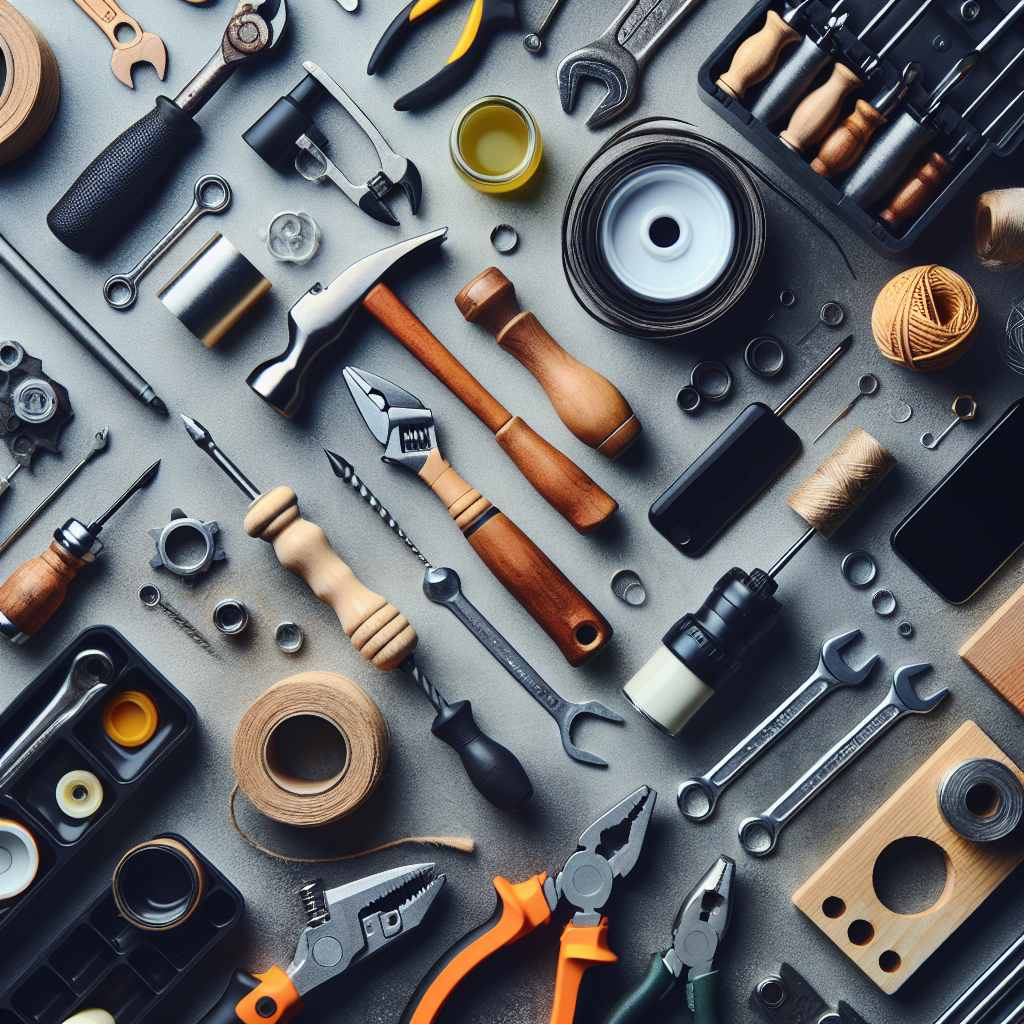
Hand tools are the cornerstone of any DIY toolkit. These tools are powered by human force and are indispensable for a variety of tasks. Here are some of the most essential hand tools you should start with:
Claw Hammer
The claw hammer is a versatile tool used for driving nails into wood and for removing nails. Its design includes a flat face for hammering and a curved, claw-like end for pulling nails, making it an essential tool for a wide range of projects.
Screwdrivers
A set of screwdrivers is crucial for any DIY enthusiast. Start with a basic set that includes both flathead and Phillips head screwdrivers in various sizes. These tools are used for driving screws and can also be used for prying and opening objects.
Adjustable Wrench
An adjustable wrench is essential for gripping and turning nuts and bolts of different sizes. Its adjustable jaw allows it to be used on a variety of fasteners, making it a flexible tool in any toolkit.
Measuring Tape
Precision is key in DIY projects, and a measuring tape ensures that you can accurately measure materials. Opt for a tape measure that is at least 25 feet long, with clear markings for easy reading.
Utility Knife
A utility knife is perfect for cutting materials such as cardboard, drywall, and more. Its retractable blade makes it safe to use and easy to store, making it a staple in your toolkit.
Power Up: Essential Power Tools
While hand tools are indispensable, power tools bring efficiency and precision to your work. Here are the key power tools every beginner should consider:
Cordless Drill
A cordless drill is a versatile tool that is essential for drilling holes and driving screws. Look for a model with variable speed settings and an assortment of drill bits to handle different materials.
Jigsaw
A jigsaw is perfect for making curved and intricate cuts in wood, metal, or plastic. Its maneuverability makes it ideal for projects requiring precision and detail.
Circular Saw
A circular saw is a powerful tool used for making straight cuts in wood and other materials. It’s ideal for cutting large sheets of plywood or making precise cuts in lumber.
Random Orbital Sander
Sanding is a crucial part of many DIY projects, and a random orbital sander makes the task quicker and more efficient. It provides a smooth finish on wood, metal, or plastic surfaces.
Safety First: Protective Gear
Safety should always be a priority when working with tools. Investing in the right protective gear will help prevent accidents and injuries:
Safety Glasses
Protect your eyes from flying debris and dust with a good pair of safety glasses. Look for glasses with a comfortable fit and durable lenses.
Ear Protection
Many power tools produce loud noises that can be harmful to your hearing. Use earplugs or earmuffs to protect your ears during prolonged use of loud tools.
Work Gloves
Work gloves protect your hands from cuts, abrasions, and blisters. Choose gloves that fit well and offer a good grip for handling tools and materials.
Dust Mask
When working with materials that produce dust, such as wood or drywall, a dust mask will protect your lungs from harmful particles.
Organizing Your Toolkit
Keeping your tools organized is crucial for efficiency and safety. Here are some tips for organizing your toolkit:
- Toolbox or Tool Bag: Invest in a sturdy toolbox or tool bag to keep your tools organized and easily accessible.
- Labeling: Label drawers or sections in your toolbox to quickly find the tool you need.
- Regular Maintenance: Clean and maintain your tools regularly to ensure they are in good working condition.
Building Your Skills: Start Simple
As a beginner, it’s important to start with simple projects to build your skills and confidence. Here are a few project ideas for beginners:
Bookshelf
Building a simple bookshelf is a great way to practice measuring, cutting, and assembling materials. Plus, it provides a functional piece for your home.
Picture Frame
Crafting a picture frame allows you to practice precision cutting and joining techniques. It also makes for a personalized gift or home decoration.
Planter Box
A planter box is a straightforward project that involves cutting wood and assembling it into a box shape. It’s perfect for adding greenery to your home or garden.
Conclusion: Embrace Your DIY Journey
Embarking on your DIY journey is an exciting adventure filled with creativity and learning. By equipping yourself with these essential tools and honing your skills through simple projects, you’ll build a strong foundation for tackling more complex tasks in the future. Remember, practice makes perfect, and each project is an opportunity to learn and grow. Embrace the process, and enjoy the satisfaction that comes from creating something with your own hands. Happy DIY-ing!
#ChatGPT assisted in the creation of this article.