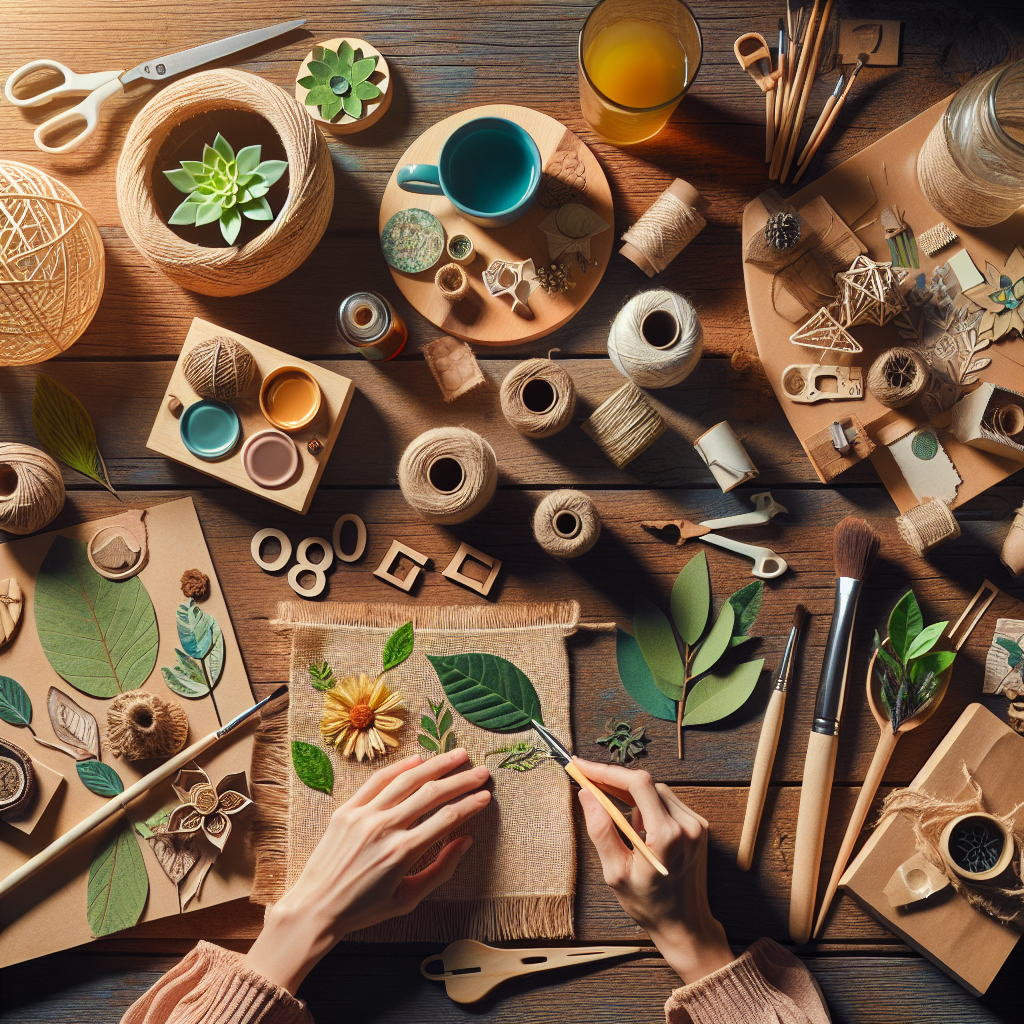
In today’s world, where environmental concerns are at the forefront of global discussions, adopting a sustainable lifestyle has become more important than ever. One creative way to contribute to ecological balance is through eco-friendly crafting. This not only allows individuals to express their creativity but also reduces waste and encourages the use of sustainable materials. Here’s a comprehensive guide to some inspiring eco-friendly craft ideas that can help you lead a more sustainable lifestyle.
Understanding Eco-Friendly Crafting
Eco-friendly crafting is the practice of creating art, decor, and functional items using sustainable, recycled, or natural materials. The goal is to minimize environmental impact by reducing waste, reusing materials, and choosing non-toxic substances. Crafting in an eco-friendly manner can significantly reduce carbon footprints and promote a circular economy.
Benefits of Eco-Friendly Crafting
- Reduces Waste: By using recycled materials, you prevent them from ending up in landfills.
- Encourages Creativity: Finding new uses for old items can spark creativity and innovation.
- Promotes Sustainability: Using natural and biodegradable materials helps protect the environment.
- Cost-Effective: Reusing and repurposing materials can save money.
- Healthier Environment: Eco-friendly crafts avoid toxic chemicals, contributing to a healthier home and planet.
Eco-Friendly Craft Ideas
1. Upcycled Fabric Projects
Textile waste is a significant environmental issue, but you can combat this by upcycling old clothes and fabric scraps into new, useful items. Consider these ideas:
- Tote Bags: Use old t-shirts or jeans to create sturdy tote bags perfect for shopping, thereby reducing the need for plastic bags.
- Patchwork Quilts: Combine fabric scraps to make beautiful patchwork quilts. This not only repurposes old fabric but also adds a personal touch to your home decor.
- Rag Rugs: Braiding or weaving strips of old fabric can create colorful and unique floor rugs.
2. Recycled Paper Crafts
Paper waste is another major environmental concern. By recycling paper, you can make beautiful crafts while conserving resources:
- Homemade Paper: Blend shredded paper with water, spread the pulp thinly, and let it dry to create new sheets of paper that can be used for cards or stationery.
- Paper Bead Jewelry: Roll strips of magazine or newspaper into beads and string them together to create unique jewelry pieces.
- Decorative Bowls: Layer strips of paper mache over a mold to create decorative bowls that can hold small items.
3. Natural and Biodegradable Materials
Using materials that are biodegradable or derived from nature can significantly reduce your environmental impact:
- Pressed Flower Art: Collect flowers and leaves, press them between heavy books, and use them to decorate cards, bookmarks, or frame them as art pieces.
- Clay Crafts: Air-dry clay, made from natural materials, can be molded into various shapes for home decor or jewelry.
- Wooden Projects: Use reclaimed wood to create furniture, picture frames, or other decor items, adding a rustic touch to your home.
4. Reusing Glass and Plastic
Repurposing glass and plastic items can reduce the need for new resources and keep these materials out of landfills:
- Glass Jar Terrariums: Transform old jars into miniature gardens by adding soil, small plants, and decorative stones.
- Plastic Bottle Planters: Cut plastic bottles in half, decorate them, and use them as planters for herbs or small plants.
- Glass Bottle Candle Holders: Decorate empty wine bottles and use them as candle holders for a cozy, ambient light source.
5. Compostable Crafts
Compostable crafts ensure that, once their life cycle is complete, they return to the earth without leaving harmful residues:
- Seed Paper: Create paper embedded with seeds, which can be planted directly into soil to grow flowers or herbs.
- Beeswax Wraps: Replace single-use plastic wrap with reusable beeswax wraps made from fabric coated in beeswax, which are biodegradable.
- Natural Dye Projects: Use plant-based dyes from sources like onion skins, berries, or turmeric to color fabrics or papers, avoiding synthetic dyes.
Tips for Sustainable Crafting
Choose the Right Materials
Opt for materials that are sustainably sourced, biodegradable, or recyclable. Avoid plastics and synthetic substances whenever possible. Look for suppliers who prioritize environmental responsibility.
Embrace Minimalism
Focus on creating crafts that are not only sustainable but also necessary. This reduces waste and ensures your creations serve a purpose in your life or someone else’s.
Educate and Share
Share your eco-friendly crafting knowledge with others. Host workshops or share tutorials online to spread awareness and inspire more people to adopt sustainable practices.
Mindful Disposal
When disposing of craft materials, do so responsibly. Compost biodegradable items and recycle where possible. Understand the local guidelines for waste disposal to ensure you’re making the most environmentally friendly choices.
Conclusion
Eco-friendly crafting is an enjoyable and rewarding way to contribute to a sustainable lifestyle. By reimagining the materials around us, we can reduce waste, conserve resources, and create beautiful, functional items. Whether you’re crafting for personal enjoyment or to share with others, adopting these eco-friendly practices can make a significant impact on the environment. As you engage in these activities, remember that every small step counts towards a greener, more sustainable world.
#ChatGPT assisted in the creation of this article.